Published by Reputaro | Trustpilot Growth & Reputation Management
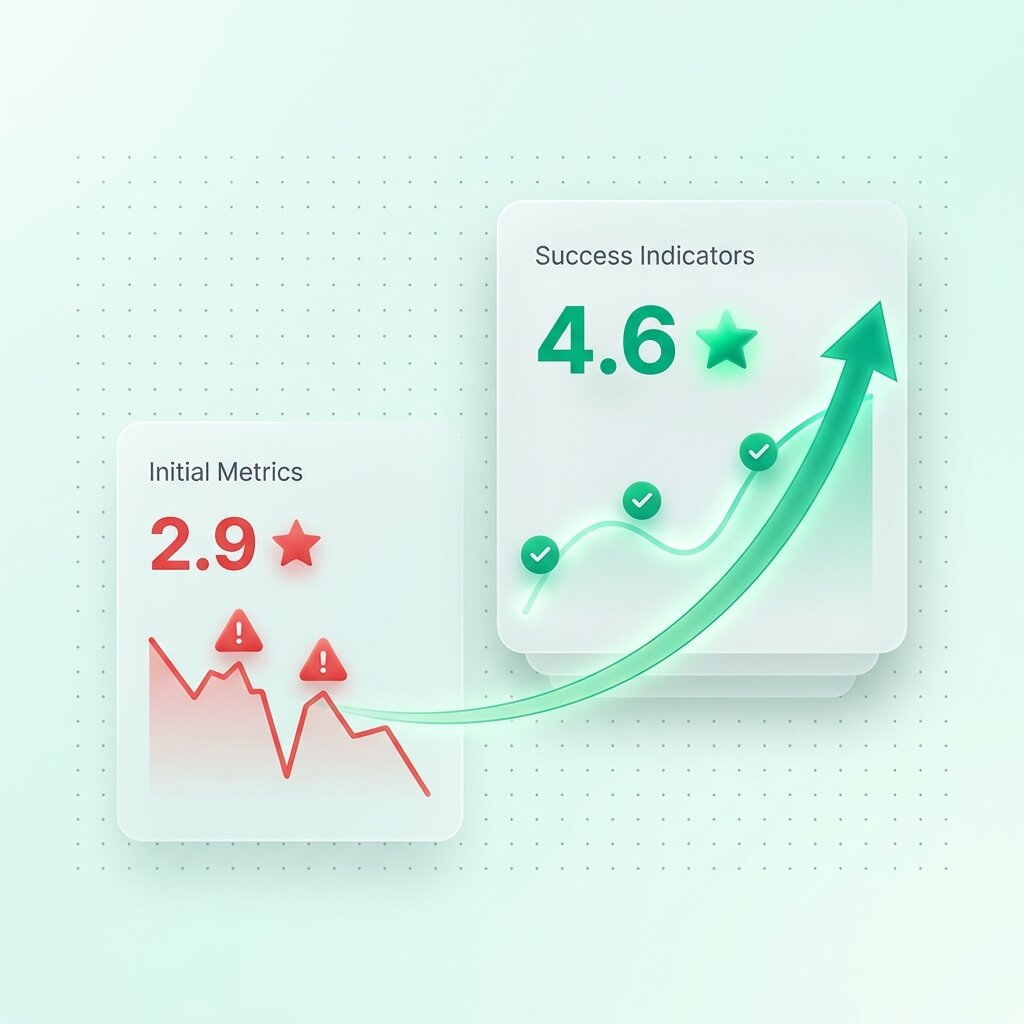
In early 2023, a UK-based homeware retailer came to us in a position that many business owners recognise but few talk about openly. Their Trustpilot profile showed 2.9 stars. Their most recent reviews were overwhelmingly negative — complaints about delayed shipments, unresponsive customer service, and products that didn't match their website descriptions. Their Google Ads seller rating had disappeared entirely. And their website conversion rate had dropped by nearly a third over the preceding six months.
The business itself had not collapsed. They were still processing thousands of orders per month. But the gap between what their operations were actually delivering and what their public reputation said about them had become a serious commercial liability — and it was widening.
This is the story of how they turned it around. Not through shortcuts or manipulation — but through a structured, methodical approach to the real problems driving the rating down, combined with a systematic review recovery programme.
We have changed identifying details to protect client confidentiality, but every metric in this case study is real.
The first thing we did was not collect reviews. Collecting reviews on top of a broken customer experience is counterproductive — you simply accelerate the arrival of more negative feedback.
The first step was a full profile audit and a root cause analysis of the negative reviews. We read every 1-star and 2-star review posted in the previous 12 months — 94 reviews in total — and categorised them by theme.
The breakdown was revealing:
Two themes dominated: delivery and customer service. Neither was a Trustpilot problem. Both were operational problems that had been made visible by Trustpilot.
We presented this analysis to the client's operations director with a clear message: no review recovery programme would hold unless the underlying issues were addressed first. They needed to fix their delivery partner relationship and rebuild their customer service response infrastructure before we started generating new reviews.
To their credit, they acted on this within three weeks.
While the client worked on their operational fixes, we focused on stabilising the existing profile.
Responding to all unanswered negative reviews
Of the 94 negative reviews from the past year, 71 had received no response at all. We worked with the client's customer service team to draft and post professional responses to every single one — acknowledging the issue, apologising without defensiveness, and providing a direct contact path for resolution.
This did three things. It showed prospective customers reading the profile that the business was now engaged. It demonstrated accountability that the review score alone couldn't convey. And in several cases, customers who received a thoughtful response to their old complaint updated their review from one star to three or four — a direct score improvement without a single new review.
Flagging fraudulent and non-compliant reviews
During our audit, we identified 11 reviews that showed characteristics of potential fraud — identical language patterns, no purchase history, accounts created within days of the review. We submitted formal disputes to Trustpilot with supporting documentation. Seven of the eleven were ultimately removed after Trustpilot's review process.
The removal of seven 1-star reviews, combined with the updated reviews from response engagement, moved the rating from 2.9 to 3.2 before a single new review was collected.
| Week | New Reviews | Avg Score of New Reviews | Cumulative Rating |
| 5–6 | 18 | 4.6 | 3.4 |
| 7–8 | 24 | 4.7 | 3.7 |
| 9–10 | 31 | 4.8 | 3.9 |
| 11–12 | 28 | 4.7 | 4.1 |
| 13–14 | 22 | 4.6 | 4.3 |
| 15–16 | 19 | 4.8 | 4.5 |
The rating recovery produced measurable commercial results across multiple channels.
Google Ads: Seller rating extensions reappeared at week 12, when the rating crossed the 4.0 threshold. Click-through rate on the client's brand search campaigns improved by 14% in the first month with seller ratings active.
Website conversion rate: The client's e-commerce conversion rate, which had fallen to 1.6% at the programme's start, recovered to 2.4% by week 20 — a 50% improvement. The client attributed approximately 60% of this recovery to the improved Trustpilot signal on their landing pages, with the remainder attributed to site UX improvements they made in parallel.
Revenue impact: At an average order value of £85 and 40,000 monthly sessions, the conversion rate improvement from 1.6% to 2.4% represented approximately 320 additional orders per month — £27,200 in additional monthly revenue.
Looking back at the programme, three factors determined its success.
First, the willingness to fix the underlying operational problems before starting review collection. Many businesses want to skip this step — but it is not optional. You cannot build a sustainable 4.5-star rating on top of a customer experience that consistently produces 2-star outcomes.
Second, the systematic approach to the existing profile — responding to negatives, flagging fraudulent reviews, and turning disengaged reviewers into updated reviewers — before spending a single pound on new review generation.
Third, the patience to build review velocity at a sustainable pace. The 12-week journey from 3.2 to 4.5 stars felt slow at times. But it produced a stable, authentic profile that has now maintained Excellent status for over a year — rather than the volatile spike-and-crash pattern that characterises shortcut approaches.
Reputation recovery is not a sprint. But done correctly, the finish line is within reach for almost any business — regardless of where they're starting from.
Starting from a low rating and want to understand what recovery looks like for your business? Begin with a free Audit at reputaro.io/audit